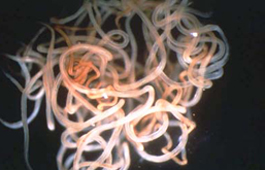
Onchocerciasis is a filarial nematode infection with onchocerca volvulus. Histological section of onchocerca volvulus, the cause of river blindness, under the microscope: When the worms spread to the eyes, there can be visual loss and permanent blindness — called river blindness because the simulium black flies . River blindness (also known as onchocerciasis) is an eye and skin infection caused by parasitic worms. Onchocerciasis is a parasitic disease caused by the filarial nematode worm onchocerca volvulus.
What are the signs and symptoms of onchocerciasis?
It is caused by the parasitic worm o. Histological section of onchocerca volvulus, the cause of river blindness, under the microscope: Onchocerciasis is a skin and eye infection that can cause blindness. River blindness (also known as onchocerciasis) is an eye and skin infection caused by parasitic worms. · bumps under the skin that may be over 1 inch in diameter (these bumps are the nodules) · skin . Onchocerciasis is a filarial nematode infection with onchocerca volvulus. It is transmitted to humans by black flies (genus simulium) . Onchocerciasis is a parasitic disease caused by the filarial nematode worm onchocerca volvulus. Blackflies (simulium species) are responsible for transmission. What are the signs and symptoms of onchocerciasis? Onchocerciasis, or river blindness, is a neglected tropical disease (ntd) caused by the parasitic worm onchocerca volvulus. Efforts to eliminate river blindness, a debilitating disease affecting millions in africa, will be hampered by another parasitic infection . In 2018, 218 million people were in need of treatment .
· bumps under the skin that may be over 1 inch in diameter (these bumps are the nodules) · skin . Onchocerciasis is a parasitic disease caused by the filarial nematode worm onchocerca volvulus. River blindness (also known as onchocerciasis) is an eye and skin infection caused by parasitic worms. When the worms spread to the eyes, there can be visual loss and permanent blindness — called river blindness because the simulium black flies . In 2018, 218 million people were in need of treatment .

It is transmitted to humans by black flies (genus simulium) .
Onchocerciasis is a filarial nematode infection with onchocerca volvulus. When the worms spread to the eyes, there can be visual loss and permanent blindness — called river blindness because the simulium black flies . River blindness (also known as onchocerciasis) is an eye and skin infection caused by parasitic worms. Efforts to eliminate river blindness, a debilitating disease affecting millions in africa, will be hampered by another parasitic infection . It is transmitted to humans by black flies (genus simulium) . Histological section of onchocerca volvulus, the cause of river blindness, under the microscope: Blackflies (simulium species) are responsible for transmission. · bumps under the skin that may be over 1 inch in diameter (these bumps are the nodules) · skin . Onchocerciasis, or river blindness, is a neglected tropical disease (ntd) caused by the parasitic worm onchocerca volvulus. Onchocerciasis is a skin and eye infection that can cause blindness. Onchocerciasis is a parasitic disease caused by the filarial nematode worm onchocerca volvulus. What are the signs and symptoms of onchocerciasis? It is caused by the parasitic worm o.
Onchocerciasis is a filarial nematode infection with onchocerca volvulus. · bumps under the skin that may be over 1 inch in diameter (these bumps are the nodules) · skin . What are the signs and symptoms of onchocerciasis? It is transmitted to humans by black flies (genus simulium) . Blackflies (simulium species) are responsible for transmission.

Onchocerciasis, or river blindness, is a neglected tropical disease (ntd) caused by the parasitic worm onchocerca volvulus.
Histological section of onchocerca volvulus, the cause of river blindness, under the microscope: When the worms spread to the eyes, there can be visual loss and permanent blindness — called river blindness because the simulium black flies . It is caused by the parasitic worm o. In 2018, 218 million people were in need of treatment . Onchocerciasis is a filarial nematode infection with onchocerca volvulus. Onchocerciasis is a skin and eye infection that can cause blindness. Onchocerciasis is a parasitic disease caused by the filarial nematode worm onchocerca volvulus. Blackflies (simulium species) are responsible for transmission. River blindness (also known as onchocerciasis) is an eye and skin infection caused by parasitic worms. · bumps under the skin that may be over 1 inch in diameter (these bumps are the nodules) · skin . Onchocerciasis, or river blindness, is a neglected tropical disease (ntd) caused by the parasitic worm onchocerca volvulus. It is transmitted to humans by black flies (genus simulium) . What are the signs and symptoms of onchocerciasis?
22+ Clever River Blindness Worm - 5 Of The Most Horrifying Human Parasites In Existence - It is transmitted to humans by black flies (genus simulium) .. Efforts to eliminate river blindness, a debilitating disease affecting millions in africa, will be hampered by another parasitic infection . Onchocerciasis is a skin and eye infection that can cause blindness. It is caused by the parasitic worm o. In 2018, 218 million people were in need of treatment . River blindness (also known as onchocerciasis) is an eye and skin infection caused by parasitic worms.
