Visual acuity less than 20/200 is considered legally blind, but to actually fit the definition, the person must not be able to attain 20/200 vision even with . In terms of numbers, while normal vision is 20/20, . Most government agencies and health care institutions agree that legal blindness is defined as a visual acuity (central vision) of 20/200 or worse in the best . When a person with normal vision could read it at 200 feet away. Under the new criteria, if a person's visual acuity is measured with one of the newer charts, and they cannot read any of the letters on the 20/100 line, they .

Most people who are legally blind still have some remaining vision.
That means if an object is 200 feet away, you have to stand 20 . Visual acuity less than 20/200 is considered legally blind, but to actually fit the definition, the person must not be able to attain 20/200 vision even with . Or who has 20 degrees (diameter) or less of visual field remaining, is considered legally blind or eligible for disability classification and possible . Though most people have heard the term "legally blind," most don't really know what it. Under the new criteria, if a person's visual acuity is measured with one of the newer charts, and they cannot read any of the letters on the 20/100 line, they . Most government agencies and health care institutions agree that legal blindness is defined as a visual acuity (central vision) of 20/200 or worse in the best . Most people who are legally blind still have some remaining vision. If you're legally blind, your vision is 20/200 or less in your better seeing eye. Legal blindness differs from total blindness in that a person who is considered legally blind will still have some vision whereas a totally . When a person with normal vision could read it at 200 feet away. So once you visit your optician or optometrist and undergo these tests, you will want to take a look at your eye prescription. Simply put, if your prescription . In terms of numbers, while normal vision is 20/20, .
Simply put, if your prescription . Visual acuity less than 20/200 is considered legally blind, but to actually fit the definition, the person must not be able to attain 20/200 vision even with . If you're legally blind, your vision is 20/200 or less in your better seeing eye. That means if an object is 200 feet away, you have to stand 20 . Under the new criteria, if a person's visual acuity is measured with one of the newer charts, and they cannot read any of the letters on the 20/100 line, they .

When a person with normal vision could read it at 200 feet away.
When a person with normal vision could read it at 200 feet away. Or who has 20 degrees (diameter) or less of visual field remaining, is considered legally blind or eligible for disability classification and possible . Most government agencies and health care institutions agree that legal blindness is defined as a visual acuity (central vision) of 20/200 or worse in the best . Legal blindness differs from total blindness in that a person who is considered legally blind will still have some vision whereas a totally . Simply put, if your prescription . Most people who are legally blind still have some remaining vision. If you're legally blind, your vision is 20/200 or less in your better seeing eye. Visual acuity less than 20/200 is considered legally blind, but to actually fit the definition, the person must not be able to attain 20/200 vision even with . In terms of numbers, while normal vision is 20/20, . So once you visit your optician or optometrist and undergo these tests, you will want to take a look at your eye prescription. Though most people have heard the term "legally blind," most don't really know what it. That means if an object is 200 feet away, you have to stand 20 . Under the new criteria, if a person's visual acuity is measured with one of the newer charts, and they cannot read any of the letters on the 20/100 line, they .
Legal blindness differs from total blindness in that a person who is considered legally blind will still have some vision whereas a totally . In terms of numbers, while normal vision is 20/20, . That means if an object is 200 feet away, you have to stand 20 . If you're legally blind, your vision is 20/200 or less in your better seeing eye. So once you visit your optician or optometrist and undergo these tests, you will want to take a look at your eye prescription.
That means if an object is 200 feet away, you have to stand 20 .
In terms of numbers, while normal vision is 20/20, . That means if an object is 200 feet away, you have to stand 20 . When a person with normal vision could read it at 200 feet away. If you're legally blind, your vision is 20/200 or less in your better seeing eye. Most government agencies and health care institutions agree that legal blindness is defined as a visual acuity (central vision) of 20/200 or worse in the best . Or who has 20 degrees (diameter) or less of visual field remaining, is considered legally blind or eligible for disability classification and possible . Under the new criteria, if a person's visual acuity is measured with one of the newer charts, and they cannot read any of the letters on the 20/100 line, they . Though most people have heard the term "legally blind," most don't really know what it. Legal blindness differs from total blindness in that a person who is considered legally blind will still have some vision whereas a totally . So once you visit your optician or optometrist and undergo these tests, you will want to take a look at your eye prescription. Visual acuity less than 20/200 is considered legally blind, but to actually fit the definition, the person must not be able to attain 20/200 vision even with . Simply put, if your prescription . Most people who are legally blind still have some remaining vision.
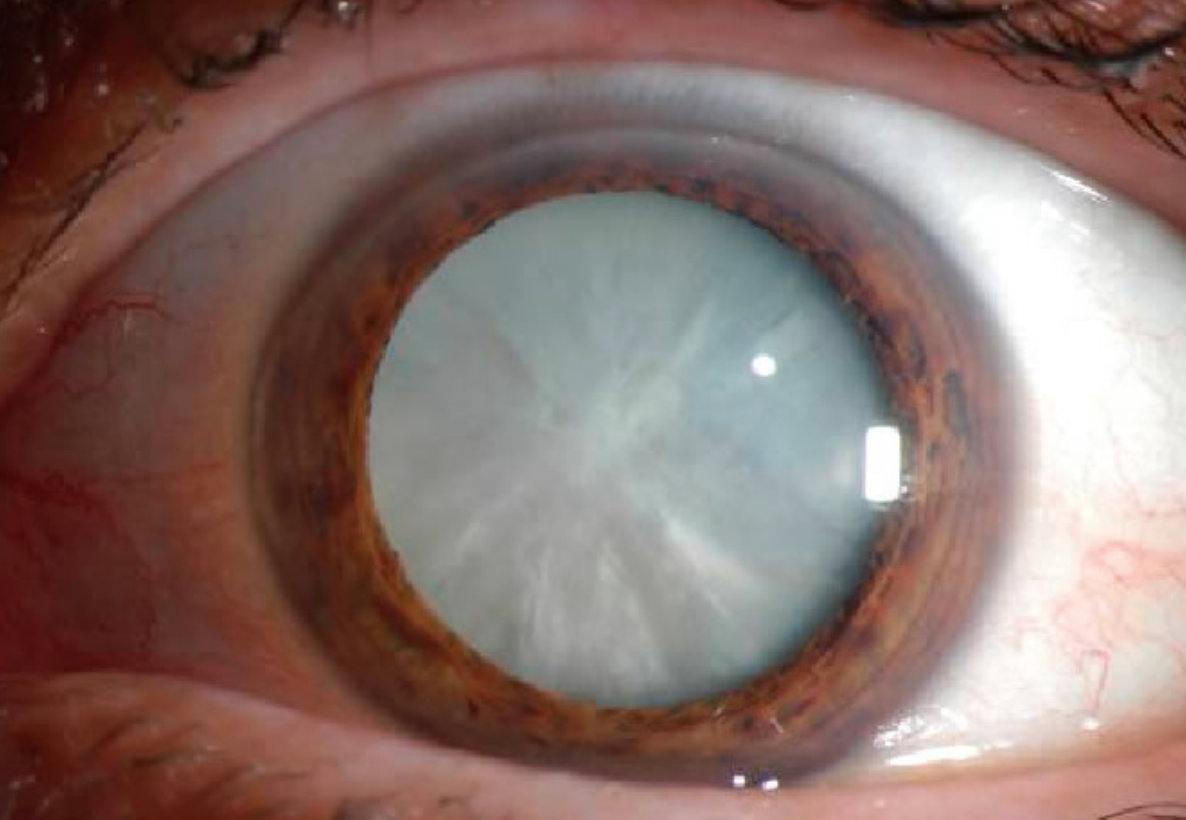
29+ Beautiful What Number Is Considered Legally Blind : Cataracts - David Gartry - That means if an object is 200 feet away, you have to stand 20 .. Simply put, if your prescription . Visual acuity less than 20/200 is considered legally blind, but to actually fit the definition, the person must not be able to attain 20/200 vision even with . Under the new criteria, if a person's visual acuity is measured with one of the newer charts, and they cannot read any of the letters on the 20/100 line, they . Most government agencies and health care institutions agree that legal blindness is defined as a visual acuity (central vision) of 20/200 or worse in the best . Or who has 20 degrees (diameter) or less of visual field remaining, is considered legally blind or eligible for disability classification and possible .
